Craving a fast, healthy meal? Try our Lemony Stir-Fried Prawns with Mushrooms & Toasted Cashews Dairy and Gluten Free recipe. It's delicious! Get the rec...
Nervous System Facts
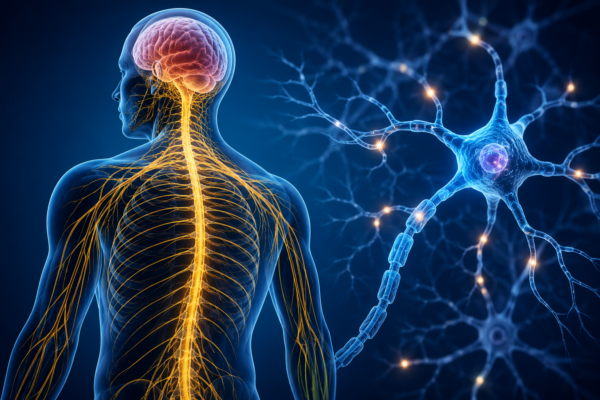 The human body is a marvel of biological engineering, and at its core are some truly amazing Nervous System Facts. This intricate network acts as your body’s command center, controlling everything from your thoughts and movements to your breathing and heartbeat. Consequently, understanding how it works is the first step toward optimizing your overall health and well-being.
What Is the Nervous System Composed Of?
Before diving into the specifics, it’s helpful to understand the basic structure. The nervous system is primarily divided into two main parts. First, the Central Nervous System (CNS) includes the brain and spinal cord. Following that, the Peripheral Nervous System (PNS) consists of all the nerves that branch out from the CNS to the rest of the body. For example, these peripheral nerves connect to your limbs, organs, and skin, creating a complete communication highway. According to the National Institute of Neurological Disorders and Stroke, this system is the most complex in the human body.
Exploring Key Nervous System Facts and Their Impact
The more we learn about this system, the more astonishing it becomes. Importantly, many of these details have direct implications for our daily health. Understanding these key Nervous System Facts can empower you to make better lifestyle choices. Let’s explore some of the most fascinating aspects.
How Fast Do Nerve Impulses Travel?
One of the most incredible aspects is the speed of communication. Nerve impulses can travel at speeds of up to 268 miles per hour (about 120 meters per second). This incredible velocity is why you can pull your hand away from a hot surface almost instantly, an action known as a reflex arc that often bypasses conscious thought to protect you from harm. This speed is essential for survival and efficient bodily function.
Here are some more fascinating details about your body’s internal wiring:
- Neuron Count: The average adult brain contains approximately 86 billion neurons. Each neuron can form thousands of connections with other neurons, creating a network of staggering complexity.
- Energy Consumption: Despite making up only about 2% of your body weight, the brain uses 20% of your body’s total oxygen and calories. This highlights how metabolically active your command center is, even at rest.
- Total Nerve Length: If you could lay out all the nerves in your body end-to-end, they would stretch for nearly 60 miles. This vast network ensures every part of your body is connected.
- The Gut-Brain Axis: Your gut contains millions of neurons and is often called the “second brain.” This connection is so profound that emotional and cognitive centers in your brain are directly linked with your intestinal functions.
- Neuroplasticity: Your brain isn’t static. It can reorganize itself by forming new neural connections throughout life, a phenomenon known as neuroplasticity. This allows the brain to adapt, learn new things, and recover from injury.
- Memory Capacity: The brain’s storage capacity is considered virtually limitless. Research suggests the human brain consists of about one billion neurons, each of which forms about 1,000 connections to other neurons, amounting to more than a trillion connections.
How Does Lifestyle Affect Nervous System Health?
Your daily habits have a significant impact on your neurological function. For instance, chronic stress can dysregulate your nervous system, leading to a host of health issues. Learning how to manage environmental stress is crucial for maintaining balance. Additionally, physical activity is vital. Understanding why a body in motion matters reveals how movement supports brain health, improves mood, and enhances cognitive function.
Common Issues and Support
When the nervous system is out of balance, it can manifest in various ways. For example, many people experience frequent headaches or migraines, which are often neurological in origin. Furthermore, issues like poor posture can place undue stress on the spinal cord and peripheral nerves, disrupting communication.
- Sleep: During sleep, the brain clears out toxins and consolidates memories. Therefore, consistent, quality sleep is non-negotiable for a healthy nervous system.
- Nutrition: Your brain needs a steady supply of nutrients, such as omega-3 fatty acids, antioxidants, and B vitamins, to function optimally. A balanced diet directly fuels your neurological health.
- Mindfulness: Practices like meditation and deep breathing can help regulate the autonomic nervous system, shifting you from a ‘fight-or-flight’ state to a ‘rest-and-digest’ state.
Key Takeaways
Your nervous system is the master controller of your body, and its health is paramount to your quality of life. By appreciating these mind-blowing Nervous System Facts, you can take proactive steps to protect and nourish this vital system. From managing stress and staying active to prioritizing sleep and nutrition, small changes can lead to significant improvements in your neurological well-being. As a result, you’ll feel more focused, balanced, and resilient. For more information on how the body’s systems are interconnected, authoritative sources like Johns Hopkins Medicine provide extensive resources.
Related Posts