Curious if the Activator Methods® Technique is considered gentle chiropractic care? Learn how this low-force approach works and if it's right for you. Co...
Understanding the Root Causes of Lower Back Pain
 Lower back pain is one of the most common reasons people seek help from a healthcare professional. It can develop suddenly after lifting or exercising, gradually from repetitive activities, or without an obvious cause. While some episodes of back pain improve with time, recurring or persistent discomfort can interfere with work, exercise, sleep, and everyday activities.
Understanding what may be contributing to lower back pain is an important first step toward finding an appropriate solution. Muscle strain, joint irritation, poor movement mechanics, prolonged sitting, previous injuries, and other factors can all play a role.
A lower back pain chiropractor can evaluate musculoskeletal factors that may be contributing to discomfort and discuss whether chiropractic care is appropriate. Depending on the individual, treatment may focus on mobility, joint function, movement patterns, exercises, and other strategies designed to support better physical function.
What Causes Lower Back Pain?
Lower back pain does not have one universal cause. The lower back contains muscles, joints, discs, nerves, ligaments, and other structures that work together to support movement and stability. Pain may occur when one or more of these structures become irritated, overloaded, strained, or affected by an underlying condition.
Common contributors include muscle strains, repetitive movements, poor lifting mechanics, prolonged sitting, sudden changes in physical activity, and previous injuries. In some cases, the exact source of pain may not be immediately obvious. This is why an appropriate evaluation can be useful when symptoms persist or repeatedly return.
Muscle Strains and Overuse
Muscle strain is a common contributor to lower back discomfort. It can occur after lifting something heavy, performing an unfamiliar activity, exercising intensely, or repeatedly using the same muscles. A sudden increase in activity can also place more stress on the lower back than the body is prepared to handle.
For example, someone who spends most of the week sitting and then performs an intense weekend workout may experience soreness or discomfort afterward. Recovery, gradual progression, proper technique, and appropriate conditioning can help reduce unnecessary stress on the lower back.
Prolonged Sitting and Sedentary Habits
Modern work and lifestyle habits can involve spending many hours sitting. Extended periods in one position may contribute to stiffness and discomfort, particularly when combined with limited physical activity. Sitting itself is not necessarily harmful, but remaining in the same position for long periods without movement may affect how the body feels and functions.
Regular movement breaks, appropriate workstation setup, physical activity, and strengthening exercises can help support a healthier movement routine. If lower back discomfort continues despite changes to daily habits, a professional evaluation may help identify additional factors.
Poor Movement Mechanics
The way a person moves can influence the amount of stress placed on different areas of the body. Bending, lifting, twisting, running, exercising, and even everyday activities involve coordinated movement between the spine, hips, pelvis, and surrounding muscles.
If certain areas have limited mobility or strength, other areas may compensate. A chiropractor may assess movement patterns during an evaluation to identify musculoskeletal factors that could be contributing to discomfort. The findings can help guide an individualized approach to care.
Can Spinal Alignment Affect Back Pain?
Spinal alignment is often discussed in relation to back health. The spine naturally has curves that help distribute loads and support movement. However, back pain cannot always be explained simply by whether the spine appears perfectly aligned. Pain is influenced by multiple factors, including physical activity, muscle function, joint movement, previous injuries, sleep, stress, and overall health.
Chiropractic care may focus on improving joint movement and physical function rather than attempting to create a particular posture or alignment in every patient. An individualized assessment is important because the appropriate approach can differ significantly from one person to another.
How a Lower Back Pain Chiropractor Evaluates Patients
A chiropractic evaluation generally begins with a discussion of your symptoms and health history. You may be asked when the pain started, what activities make it better or worse, whether the pain travels to another part of the body, and whether it affects your daily activities.
The chiropractor may also assess movement, posture, range of motion, joint function, and surrounding muscles. This information helps determine whether chiropractic care may be appropriate and whether additional evaluation or referral is needed.
Chiropractic Care for Lower Back Pain
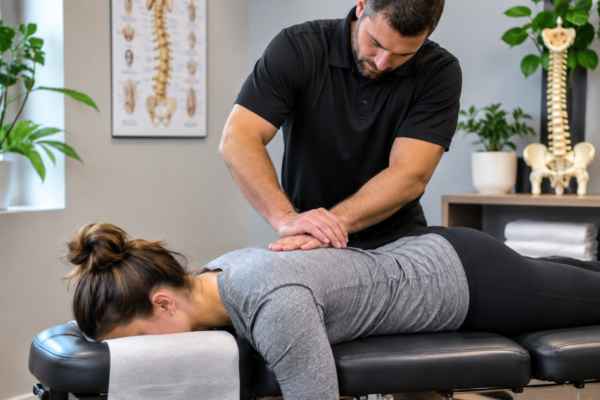
Chiropractic care may be used as part of a broader approach to managing certain types of musculoskeletal lower back pain. Depending on the patient’s needs, care may include spinal manipulation or mobilization, exercise recommendations, mobility work, soft-tissue techniques, and guidance on movement or activity.
The goal is generally to support function and manage symptoms while helping the patient remain appropriately active. Treatment should be individualized rather than based on a one-size-fits-all approach.
The Role of Exercise in Back Pain Treatment
Exercise can play an important role in managing and preventing many types of lower back discomfort. Strengthening the muscles around the core, hips, and lower body can help support movement and physical activity. Mobility exercises may also help individuals who have restrictions that affect how they move.
However, the right exercises depend on the individual. Exercises that are appropriate for one person may not be suitable for someone with a different condition or injury. A chiropractor or other qualified healthcare professional can help determine what types of movement may be appropriate based on the individual’s circumstances.
When Should You Consider Professional Care?
Occasional mild back discomfort may improve with appropriate activity modification and recovery. However, persistent, recurring, or worsening symptoms may warrant professional evaluation. You may want to consider seeking professional care if back pain is interfering with work, exercise, sleep, or normal daily activities.
An evaluation can help determine potential contributing factors and whether chiropractic care or another form of treatment may be appropriate. You should not assume that all lower back pain requires chiropractic treatment. The priority should always be identifying the appropriate care for the individual’s condition.
Warning Signs That Need Medical Attention
Most lower back pain is not caused by a serious condition, but certain symptoms require prompt medical evaluation. Back pain accompanied by significant weakness, loss of bladder or bowel control, numbness in the saddle area, severe trauma, unexplained fever, or other concerning symptoms may require urgent medical attention.
Similarly, severe or rapidly worsening pain should not be ignored. If symptoms suggest a potentially serious medical condition, appropriate medical evaluation should take priority over routine chiropractic care.
How to Support a Healthy Lower Back
Taking care of your lower back involves more than addressing pain after it develops. Regular physical activity, strength training, appropriate mobility exercises, good lifting technique, adequate recovery, and maintaining healthy movement habits can all support overall back health.
If your work involves prolonged sitting, taking regular movement breaks can be helpful. If your work involves lifting or physical labor, learning appropriate techniques and managing workload can reduce unnecessary strain. Sleep and general health habits also contribute to how the body responds to physical stress.
Finding the Right Back Pain Treatment
The most appropriate back pain treatment depends on the cause, severity, duration, and individual circumstances. Some people may benefit from chiropractic care, while others may require physical therapy, medical treatment, diagnostic imaging, or another approach.
When choosing a provider, look for a professional who takes time to understand your symptoms, performs an appropriate evaluation, explains the available options, and refers you elsewhere when necessary. A good treatment plan should be based on your individual needs rather than a standard schedule applied to every patient.
What to Expect From Chiropractic Care
If you decide to consult a lower back pain chiropractor, your first appointment will generally involve discussing your symptoms and health history. The chiropractor may perform a physical assessment and explain what they believe may be contributing to your discomfort. If chiropractic care is appropriate, they can discuss potential treatment options and recommendations.
You should feel comfortable asking questions about the proposed care, expected goals, exercises, follow-up visits, and when your progress will be reassessed. At North Point Chiropractic, we encourage open communication to help ensure that your treatment approach remains appropriate as your symptoms change.
Conclusion
Lower back pain can result from a wide range of factors, including muscle strain, prolonged sitting, movement patterns, previous injuries, and other musculoskeletal concerns. Understanding the potential causes can help you make informed decisions about the most appropriate approach to managing your symptoms.
If your discomfort is persistent, recurring, or affecting your daily activities, a lower back pain chiropractor can evaluate your movement, joint function, and other relevant factors to determine whether chiropractic care may be appropriate. Treatment may include spinal mobility techniques, exercises, and other strategies designed to support movement and physical function.
Frequently Asked Questions
What is the most common cause of lower back pain?
Muscle or ligament strain, repetitive activity, physical overexertion, and movement-related factors are common contributors to lower back pain. However, the cause varies from person to person.
Can a chiropractor help with lower back pain?
Chiropractic care may help some people with certain types of musculoskeletal lower back pain. A chiropractor can evaluate your symptoms and determine whether chiropractic treatment is appropriate or whether another type of care is recommended.
Does spinal alignment cause lower back pain?
Spinal alignment can be one factor considered during an evaluation, but lower back pain usually cannot be explained by alignment alone. Multiple physical and lifestyle factors can influence symptoms.
What does a chiropractor do for lower back pain?
Depending on the individual’s needs, chiropractic care may involve spinal manipulation or mobilization, exercises, mobility work, soft-tissue techniques, and recommendations for improving movement and physical function.
When should I see a lower back pain chiropractor?
Consider an evaluation if lower back pain is persistent, recurring, or interfering with your normal activities. A professional can help determine whether chiropractic care is suitable for your symptoms.
Related Posts