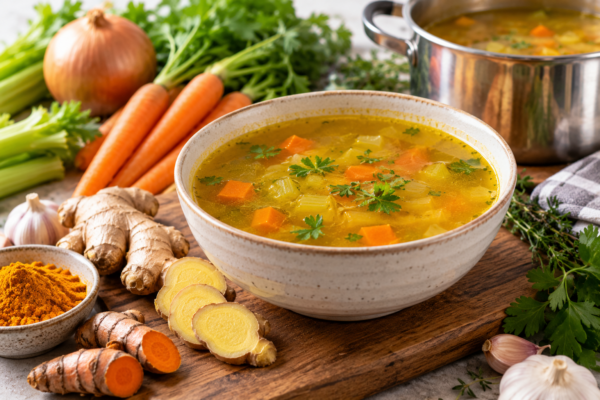
Make our vibrant Ginger & Turmeric Vegetable Detox Broth Dairy and Gluten Free. This easy, nourishing recipe supports wellness and tastes amazing. Get th...
What’s Really In The Flu Vaccine?
 Each year, as flu season approaches, millions of people get vaccinated to protect themselves and their communities. However, a common question arises: What’s really in the flu vaccine? Understanding the components of the annual flu shot can demystify the process and build confidence in this crucial public health tool. Consequently, let’s break down the ingredients to see what they are and why they are included.
The Core Components of the Annual Flu Shot
The primary and most important ingredient in any flu vaccine is the antigen. Antigens are the substances that trigger your immune system to create antibodies, which then provide protection against the actual virus. For the flu vaccine, these antigens are derived from the influenza viruses themselves.
Specifically, vaccine manufacturers use strains of the flu virus that experts at the World Health Organization and other global health centers predict will be the most common during the upcoming season. These components are prepared in a way that they cannot cause the flu. There are several types:
- Inactivated Viruses: The virus has been killed and is no longer infectious, but the parts that your immune system recognizes are still intact.
- Live, Attenuated Viruses: Used in the nasal spray vaccine, this is a significantly weakened form of the live virus that does not cause illness in healthy individuals.
- Recombinant Proteins: Some modern vaccines are made without using the flu virus at all. Instead, they use specific proteins from the virus (like hemagglutinin or HA) that are grown in a lab.
Furthermore, the selection of these strains is a rigorous, year-round process to ensure the best possible match for circulating viruses.
How Does the Flu Vaccine Work to Protect You?
When the vaccine introduces these antigens into your body, your immune system springs into action. It identifies the antigens as foreign invaders and begins producing antibodies specifically designed to fight them. This process creates an immunological memory. Therefore, if you are later exposed to the actual, live flu virus, your body already has the tools it needs to recognize and neutralize it quickly, preventing you from getting sick or significantly reducing the severity of your illness.
Importantly, this immune response is what builds protection. Some people may experience mild side effects like soreness at the injection site or a low-grade fever, which are signs that the immune system is learning and building its defenses.
Additives and Preservatives: What Are They For?
Beyond the antigens, flu vaccines contain very small amounts of other ingredients that serve important functions, such as ensuring the vaccine’s safety and effectiveness. These are often the source of public concern, but their roles are critical.
Thimerosal: A Misunderstood Preservative
Thimerosal is a mercury-based preservative used in multi-dose vials of the flu vaccine to prevent the growth of dangerous bacteria and fungi. If a vial is used for more than one person, thimerosal ensures that no contamination occurs between doses. Decades of research have shown it to be safe in the tiny amounts used in vaccines. For those concerned, single-dose, thimerosal-free vaccine options are widely available.
Stabilizers and Other Ingredients
Other substances are included to help the vaccine remain stable during transport and storage. These can include sugars or gelatin. Additionally, some vaccines contain trace amounts of materials left over from the production process, such as egg protein (for egg-based vaccines) or formaldehyde. Formaldehyde, for instance, is used to inactivate the virus and is then largely removed. The amount remaining is less than what is naturally found in the human body. For a detailed list of ingredients, authoritative sources like the Centers for Disease Control and Prevention (CDC) provide comprehensive information.
Answering “What’s Really in the Flu Vaccine?”: Common Additives
To summarize, the additives are not mysterious fillers. Each one has a specific, safety-oriented purpose. Aluminum salts, for example, are sometimes included as adjuvants to help stimulate a stronger immune response. This means your body can build better protection with a smaller amount of antigen. As a result, the vaccine is both safer and more effective. The World Health Organization confirms that these ingredients have a long-standing safety record.
Supporting Your Immune System for Overall Wellness
While vaccination is a powerful tool, it is one part of a comprehensive approach to health. Maintaining a robust immune system year-round is essential for fending off all types of illnesses. This involves a focus on long-term wellness through proper nutrition, regular exercise, adequate sleep, and stress management. By adopting proactive behaviors, you are actively strengthening your body’s natural defenses.
Moreover, ensuring your nervous system is functioning optimally through practices like chiropractic care can support your body’s ability to adapt and respond to health challenges. Exploring holistic health strategies complements the protection you get from vaccinations, creating a more resilient foundation for your well-being. This integrated view helps you stay healthy during flu season and beyond.
Key Takeaways on Flu Vaccine Ingredients
Ultimately, when you ask, “What’s really in the flu vaccine?” the answer is straightforward: it contains the essential components to teach your body how to fight the flu, plus a few other ingredients to keep it safe and effective. Every component serves a purpose, from the virus antigens that trigger immunity to the preservatives that prevent contamination. The amounts are incredibly small and have been proven safe by extensive scientific research. Being informed about these ingredients can help you make a confident choice to protect your health this flu season.
Related Posts