Curious if the Activator Methods® Technique is considered gentle chiropractic care? Learn how this low-force approach works and if it's right for you. Co...
When Should An Athlete See A Chiropractor After An Injury?
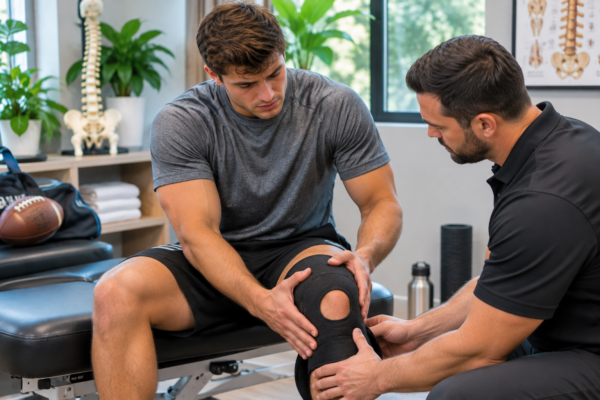 For any dedicated athlete, an injury can be a significant setback, disrupting training schedules and threatening performance goals. In the moments following a sprain, strain, or impact, the path to recovery can seem unclear. For many athletes, the critical question is: when should an athlete see a chiropractor after an injury? Seeking the right care at the right time is paramount for a swift and effective recovery. Consequently, understanding the signals your body is sending and the role a chiropractor can play is the first step toward getting back in the game safely.
Understanding the Role of Chiropractic Care in Sports Injuries
Chiropractic care focuses on the diagnosis, treatment, and prevention of mechanical disorders of the musculoskeletal system, especially the spine. For athletes, this is particularly relevant because optimal performance relies on the body functioning as an integrated, efficient system. A sports chiropractor possesses specialized knowledge of athletic injuries and biomechanics. Their primary goal is to restore proper function, reduce pain, and enhance the body’s natural healing capabilities.
Furthermore, they address issues beyond just the spine, including problems with shoulders, knees, and ankles. Treatment often involves manual adjustments, soft tissue therapy, and rehabilitative exercises. Unlike simply masking pain, specialized sports chiropractic care aims to correct the underlying cause of the problem. As a result, athletes can experience not only pain relief but also improved mobility and a reduced likelihood of recurrence.
Immediate Signs You Should See a Chiropractor
While some minor aches might resolve with rest, certain symptoms warrant immediate professional attention. Ignoring these red flags can lead to more severe complications and a much longer recovery period. Therefore, if you experience any of the following after an injury, scheduling a chiropractic evaluation is a wise decision.
- Severe Pain or Discomfort: Pain that is sharp, shooting, or intense enough to limit daily activities should not be ignored. Importantly, this is your body’s primary signal that something is wrong and requires a professional diagnosis.
- Limited Range of Motion: If you find you can’t move a joint as fully as you could before the injury, it often indicates a structural or muscular issue. For example, being unable to turn your head completely or fully extend your arm needs to be assessed.
- Numbness, Tingling, or Weakness: These sensations, often described as ‘pins and needles,’ can suggest nerve compression or irritation. Since the nervous system controls muscle function, any interference can have a significant impact on athletic performance and overall health.
- Headaches or Dizziness After Impact: Following any fall or collision, the onset of headaches, dizziness, or blurred vision could be a sign of a concussion or a neck injury like whiplash. A chiropractor can assess your cervical spine for misalignments that may be contributing to these symptoms.
- You Heard a ‘Popping’ Sound: A distinct pop or snap at the moment of injury can indicate a ligament tear or tendon rupture. While a chiropractor may not be the final treating physician for a complete tear, they are crucial for an initial diagnosis and can refer you for imaging if necessary.
What About Minor Injuries? The “Wait and See” Approach vs. Proactive Care
It can be tempting to adopt a “wait and see” approach for what seems like a minor tweak or strain. Many athletes believe that a little rest is all that’s needed. However, this can be a risky strategy. Minor injuries often involve micro-trauma to muscles and ligaments, leading to inflammation, scar tissue formation, and subtle biomechanical changes. These changes force other parts of your body to compensate, which can lead to a more significant injury down the road.
In contrast, proactive care involves seeking an evaluation even for minor issues. A chiropractor can identify subtle misalignments or muscle imbalances before they become chronic problems. Specifically, early intervention can break the cycle of inflammation and compensation, ensuring the tissue heals correctly. This approach not only speeds up recovery from the current issue but is also a key strategy for preventing future sports injuries.
The Critical Post-Injury Timeline
Understanding the phases of healing helps clarify when chiropractic care is most effective. The first few days are about managing the initial trauma. After that, the focus shifts to restoring function. For example, in the acute phase (the first 24-72 hours), the primary goal is to control inflammation using methods like the RICE protocol (Rest, Ice, Compression, Elevation). While a chiropractic assessment during this time is valuable for diagnosis, most hands-on adjustments might be deferred until the initial swelling subsides. Authoritative sources like the National Center for Biotechnology Information have documented the efficacy of chiropractic care in managing athletic injuries through various phases of recovery.
Subsequently, during the subacute phase (from 3 days to 2 weeks post-injury), chiropractic care becomes highly beneficial. Gentle adjustments and soft tissue techniques can be introduced to restore joint mobility, promote blood flow, and reduce the formation of restrictive scar tissue. Finally, in the chronic phase (beyond 2 weeks), chiropractic care focuses on rehabilitation, strengthening weakened muscles, and correcting any lingering biomechanical imbalances to ensure a full return to sport without limitations.
The Benefits of Seeing a Chiropractor: When Should an Athlete See a Chiropractor After an Injury?
Deciding to see a chiropractor after an injury offers numerous advantages that contribute to a more complete and resilient recovery. The benefits extend far beyond simple pain relief, addressing the functional aspects of healing that are critical for an athlete’s career. Knowing when should an athlete see a chiropractor after an injury is the first step to unlocking these benefits.
- Accurate Diagnosis: Chiropractors perform thorough physical examinations to pinpoint the root cause of your pain, rather than just treating the symptoms.
- Drug-Free Pain Relief: Chiropractic adjustments can provide significant pain relief by reducing pressure on nerves and decreasing inflammation, offering an alternative to pain medication.
- Restored Mobility and Function: The primary goal of treatment is to restore normal range of motion in joints and proper function to muscles, which is essential for athletic movements.
- Reduced Recovery Time: By promoting optimal healing conditions and correcting misalignments, chiropractic care can help athletes get back to their sport more quickly and safely.
- Personalized Rehabilitation: Treatment plans are tailored to the individual and their specific sport, often including corrective exercises to strengthen the injured area and prevent re-injury. To learn more, you can explore what to expect during your first visit.
Final Thoughts: Taking Charge of Your Recovery
For an athlete, the body is the most valuable tool. Therefore, managing its health proactively is not a luxury but a necessity. An injury should not be a full stop but a signal to listen to your body and seek expert guidance. Waiting for pain to become unbearable or for a minor issue to become a chronic one is a gamble with your athletic future.
Ultimately, understanding when should an athlete see a chiropractor after an injury is about being proactive with your health and performance. Whether you’re dealing with an acute, painful injury or a nagging, minor ache, a chiropractic evaluation can provide a clear diagnosis and an effective, drug-free treatment plan. Taking this step ensures you are not just recovering, but recovering stronger and more resilient than before.
Related Posts