Curious if the Activator Methods® Technique is considered gentle chiropractic care? Learn how this low-force approach works and if it's right for you. Co...
Why Athletes Use Chiropractic Care for Performance

Athletes place significant demands on their bodies. Training, competition, repetitive movements, and recovery all require the body to move efficiently and handle physical stress. While strength training, conditioning, nutrition, sleep, and proper technique are important parts of athletic development, some athletes also include chiropractic care in their overall approach to physical performance.
Sports chiropractic focuses on the musculoskeletal system and how the body moves and functions. For athletes, chiropractic care may be used alongside other forms of training and healthcare to support mobility, manage certain musculoskeletal concerns, and maintain physical function.
For athletes looking for a sports chiropractor in Pewaukee, understanding how chiropractic care may fit into a broader performance and recovery plan can help them make informed decisions.
What Is Sports Chiropractic?
Sports chiropractic is chiropractic care that is tailored to the needs and physical demands of athletes. Rather than focusing only on symptoms, a sports chiropractor may assess movement, joint function, mobility, muscle balance, and other factors that can affect how an athlete moves.
The approach can vary depending on the athlete’s sport, training schedule, physical condition, goals, and individual needs. Chiropractic care should not replace appropriate medical care for serious injuries. Instead, it may be one component of a broader plan that can include strength and conditioning, physical therapy, medical evaluation, rest, nutrition, and other forms of care.
Why Mobility Matters for Athletes
Mobility plays an important role in many sports. Athletes need to move through appropriate ranges of motion to run, jump, rotate, lift, throw, swing, change direction, and perform sport-specific movements.
Limited mobility can affect movement patterns and may make certain activities more difficult. Chiropractic assessment can help identify areas where joint movement or musculoskeletal function may need attention. Depending on the individual, care may focus on improving movement quality and maintaining normal joint function.
Good mobility does not mean an athlete needs maximum flexibility in every joint. Different sports require different movement demands, and the goal is generally to support appropriate function for the activity.
Chiropractic Care and Athletic Recovery
Recovery is an important part of athletic performance. Training creates physical stress, and the body needs adequate time and resources to recover between workouts and competitions. Athletes may use different recovery strategies, including sleep, hydration, nutrition, stretching, active recovery, and mobility work.
Some athletes also include chiropractic care as part of their recovery routine. Depending on the individual’s condition, chiropractic treatment may be used to address certain musculoskeletal issues that affect comfort or movement.
Recovery should always be individualized. If an athlete has significant pain, swelling, weakness, loss of function, or an injury that does not improve, professional medical evaluation may be appropriate.
Can Chiropractic Care Help Prevent Injuries?
Injury prevention is a major concern for athletes. No healthcare approach can guarantee that an athlete will avoid injury. Sports injuries can occur even when someone has excellent conditioning, technique, and preparation.
However, paying attention to movement, mobility, strength, recovery, and training load may help athletes address factors that can contribute to physical problems. A sports chiropractor may assess movement and musculoskeletal function as part of an athlete’s broader approach to maintaining physical health. This can be particularly useful when combined with proper strength training, warm-ups, conditioning, sport-specific technique, and appropriate recovery.
Understanding Movement Patterns
Athletes often perform the same movements repeatedly. A baseball player may throw frequently. A runner repeats similar lower-body movements over many miles. A golfer repeatedly rotates through the trunk and hips. A weightlifter places substantial demands on specific joints and muscle groups.
Repetitive activity does not automatically cause injury, but repeated movement combined with inadequate recovery or poor mechanics can contribute to physical stress. Movement assessment can help athletes become more aware of how different parts of their body are functioning together.
Chiropractic Care for Different Types of Athletes
Sports chiropractic is not limited to one type of athlete. Runners may be interested in maintaining lower-body mobility and addressing musculoskeletal concerns associated with repetitive activity.
Weightlifters may need to manage the physical demands placed on the spine, shoulders, hips, knees, and other joints. Team-sport athletes may experience repeated sprinting, jumping, cutting, contact, and rapid changes of direction.
Golfers and tennis players may place considerable rotational demands on the hips, spine, shoulders, and arms. The appropriate approach depends on the athlete rather than the sport alone.
Supporting Athletic Performance
Athletic performance depends on many factors. Strength, cardiovascular conditioning, skill, technique, nutrition, sleep, mental preparation, and recovery all contribute to performance.
Chiropractic care is not a substitute for these fundamentals. Instead, some athletes use chiropractic care to support musculoskeletal function and movement as part of a broader performance routine.
For example, an athlete may seek care when restricted movement is interfering with training or when a musculoskeletal issue is affecting comfort during activity. The goal should be to support the athlete’s ability to train and perform safely and effectively.
Chiropractic Care and Training Consistency
Consistency is important in athletic development. North Point Chiropractic recognizes that athletes often follow structured training programs designed to improve strength, endurance, speed, power, or sport-specific skills. Maintaining a consistent approach can help athletes support their training goals while paying attention to overall physical well-being.
An issue that repeatedly interferes with training can make it difficult to maintain that consistency. Addressing musculoskeletal concerns appropriately may help some athletes stay active within their individual limitations.
However, athletes should not use treatment simply to push through significant pain. Rest, modification of activity, or medical evaluation may be necessary depending on the situation.
What to Expect From a Sports Chiropractic Visit
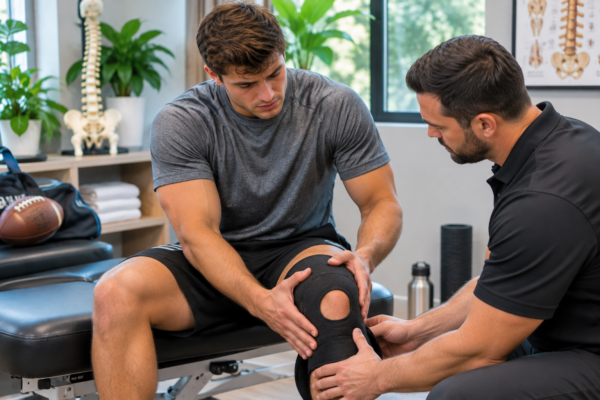
A sports chiropractic appointment generally begins with a discussion of the athlete’s concerns, activities, training routine, and goals.
The chiropractor may assess posture, movement, joint mobility, and other aspects of musculoskeletal function. The specific treatment approach depends on the individual’s condition.
Some athletes may receive chiropractic adjustments, while care may also involve mobility recommendations, exercise guidance, or other strategies. The goal is to create an approach that fits the athlete’s needs rather than applying exactly the same treatment to every person.
How Chiropractic Care Fits Into Injury Recovery
Athletes recovering from an injury often need a coordinated approach. Depending on the injury, recovery may involve medical evaluation, physical therapy, rehabilitation exercises, gradual return to activity, and changes to training.
Chiropractic care may be appropriate for some musculoskeletal concerns, but the treatment should be based on the individual’s condition. A sports chiropractor can be part of a broader healthcare team when appropriate.
Communication between healthcare professionals can be particularly important when an athlete has a significant injury or is returning to competition.
Chiropractic Care for Active Adults
Sports chiropractic is not limited to competitive athletes. People who participate in recreational running, cycling, strength training, fitness classes, hiking, golf, tennis, or other activities may also experience physical demands similar to those seen in organized sports.
An active adult may seek chiropractic care to support mobility or address musculoskeletal concerns that affect their preferred activities.
The same principle applies: care should be based on individual needs and should complement healthy training and recovery habits.
Chiropractic Care Should Complement Healthy Training
Chiropractic care works best as part of a broader approach to athletic health. Athletes should continue to prioritize adequate sleep, balanced nutrition, hydration, strength training, conditioning, proper technique, warm-ups, recovery, and appropriate training progression.
These fundamentals remain central to performance. Chiropractic care may complement these habits by addressing certain musculoskeletal concerns and supporting movement. It should not be viewed as a replacement for proper training or necessary medical treatment.
Choosing a Sports Chiropractor in Pewaukee
Athletes looking for a sports chiropractor in Pewaukee should consider the provider’s experience with active individuals and sports-related concerns. Ask about the provider’s approach to assessment, treatment, recovery, and communication with other healthcare professionals when needed.
It can also be useful to explain your specific sport and training routine during your initial appointment. A provider who understands the physical demands of your activities can better consider those demands when developing an individualized approach.
The Role of Chiropractic Care in Athletic Performance
Athletic performance is built through many interconnected factors. Training, recovery, nutrition, sleep, physical preparation, and mental focus all contribute to an athlete’s ability to perform. Chiropractic care may support this process by addressing certain musculoskeletal concerns and helping athletes focus on healthy movement and physical function.
For some athletes, it can become one part of a larger strategy for staying active and maintaining their training routine. The most appropriate approach depends on the individual athlete and should be based on their specific needs.
Conclusion
Athletes put their bodies through demanding physical activity, making mobility, recovery, and musculoskeletal health important parts of long-term performance. Chiropractic care may help some athletes address certain movement and musculoskeletal concerns while supporting their broader training and recovery routines. It is not a guarantee against injuries or a replacement for medical care, but it can be one component of a comprehensive approach to athletic health.
For athletes considering a sports chiropractor in Pewaukee, the most important step is finding a provider who understands their activity level, sport, physical demands, and individual goals. With appropriate assessment and a personalized approach, chiropractic care can complement the other habits and professional services that help athletes stay active and work toward their performance goals. Contact us today to learn more about sports chiropractic care in Pewaukee and discuss an approach suited to your activity level and individual needs.
Frequently Asked Questions
Why do athletes see a sports chiropractor?
Athletes may seek chiropractic care to address certain musculoskeletal concerns, support mobility, manage discomfort, and maintain physical function as part of a broader training and recovery plan.
Can chiropractic care improve athletic performance?
Chiropractic care may support factors such as mobility and musculoskeletal function, which can contribute to an athlete’s ability to move effectively. Performance also depends on training, nutrition, sleep, conditioning, technique, and recovery.
Can a sports chiropractor help with injury prevention?
A sports chiropractor may assess movement and musculoskeletal function and help address certain issues that affect physical activity. However, no treatment can guarantee injury prevention.
Is chiropractic care only for professional athletes?
No. Recreational athletes, active adults, runners, gym participants, and people involved in sports such as golf and tennis may also seek chiropractic care.
What should I look for in a sports chiropractor in Pewaukee?
Look for a qualified provider with experience working with athletes, an individualized assessment process, clear communication, and an approach that complements your existing training and healthcare plan.
Related Posts