Curious if the Activator Methods® Technique is considered gentle chiropractic care? Learn how this low-force approach works and if it's right for you. Co...
Backpack Safety Tips to Protect Your Child’s Spine
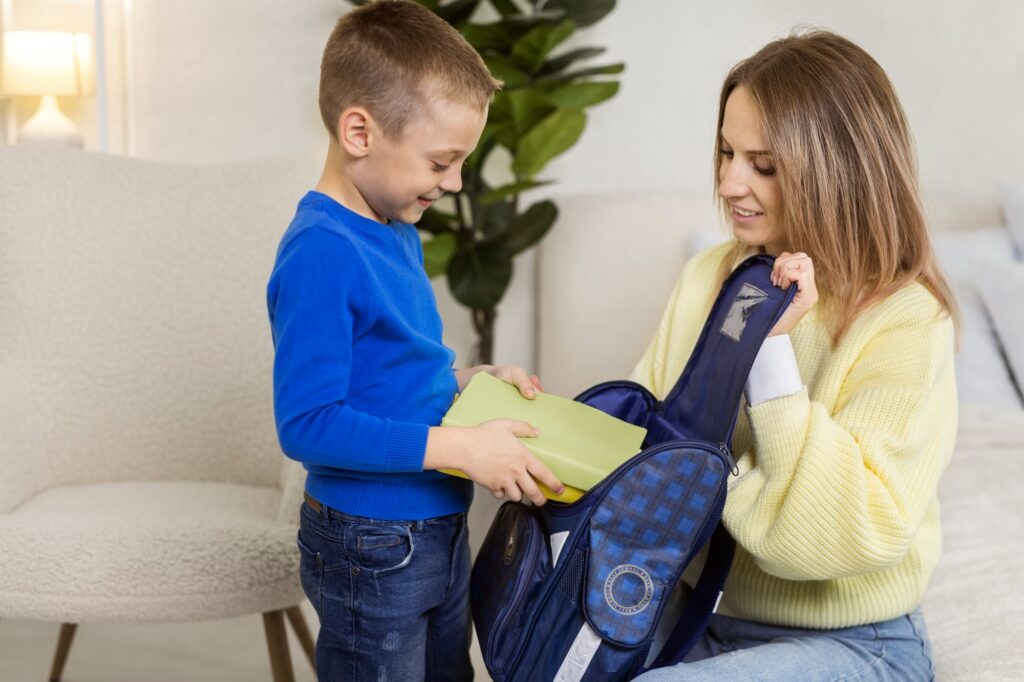
A school backpack may seem like a simple part of your child’s daily routine, but the way it is packed, carried, and adjusted can affect comfort and posture. Children often carry backpacks filled with books, notebooks, laptops, sports equipment, and other school supplies. If the backpack is too heavy or worn incorrectly, it can place unnecessary strain on the shoulders, neck, and back.
Parents can help support good pediatric spinal health by teaching children simple backpack safety habits. Choosing an appropriately sized backpack, adjusting the straps correctly, distributing weight evenly, and encouraging good posture can make carrying school supplies more comfortable.
Backpack habits are especially worth reviewing at the beginning of a new school year or whenever a child’s school routine changes.
Why Backpack Safety Matters
Children’s bodies are constantly growing and developing. While carrying a backpack does not automatically cause spinal problems, an improperly fitted or excessively heavy backpack can contribute to discomfort and affect how a child carries themselves. A child may lean forward, round their shoulders, twist their body, or change their walking pattern when a backpack feels too heavy or uncomfortable.
These changes do not necessarily indicate a serious problem, but they are signs that the backpack may need to be adjusted or lightened. North Point Chiropractic emphasizes the importance of teaching children to recognize discomfort and tell a parent or teacher when something does not feel right, which can be an important part of school backpack safety.
Choose the Right Backpack Size
The backpack should be appropriate for the child’s size. A backpack that is too large may hang too low or encourage a child to carry more items than necessary. A bag that is too small may not provide enough space for required school materials and could become uncomfortable when overfilled.
Look for a backpack that sits comfortably against the child’s back and does not extend excessively below the waist. The bag should also have adjustable shoulder straps so it can be fitted as the child grows.
Use Both Shoulder Straps
One of the simplest backpack posture tips is to use both shoulder straps. Children sometimes carry a backpack over one shoulder because it feels easier or looks more comfortable. However, carrying a heavy bag on one side can place uneven stress on the body.
Using both straps helps distribute the weight more evenly across the shoulders and back. Parents can make this a routine reminder, particularly when children are rushing between classes, getting into the car, or leaving school.
Adjust the Shoulder Straps
Loose straps can allow a backpack to hang too far away from the child’s body. When the bag sits lower and farther back, the child may lean forward to compensate for the weight.
The shoulder straps should be adjusted so the backpack sits comfortably and securely against the back. The exact adjustment will depend on the child’s body and the backpack design, but the general goal is to keep the load close to the body without making the straps uncomfortable.
Keep Heavy Items Close to the Back
How items are arranged inside the backpack also matters. Heavier books, laptops, or other dense items should generally be placed closer to the child’s back rather than toward the outside of the bag.
This arrangement can help keep the center of the load closer to the body and may make the backpack feel more balanced. Encourage your child to remove items they do not need for the school day instead of carrying everything around.
Avoid Overloading the Backpack
One of the most important school backpack safety habits is avoiding unnecessary weight. Children may accumulate books, papers, water bottles, sports equipment, toys, and other belongings throughout the week.
Regularly checking the backpack can help remove items that are no longer needed. Parents can also encourage children to use lockers, classroom storage, digital textbooks, or other available options when appropriate. Reducing unnecessary weight can make the backpack easier and more comfortable to carry.
Encourage Good Posture While Walking
Children should be encouraged to maintain a natural posture while carrying their backpack. They should avoid bending excessively forward, rounding their shoulders, or leaning to one side to compensate for the weight.
A backpack should not force a child into an awkward position. If your child consistently changes their posture when carrying their backpack, check whether the bag is too heavy, too large, or poorly adjusted.
Look for Signs of Discomfort
Parents should pay attention to what their children say about their backpacks. Complaints of shoulder, neck, or back discomfort may indicate that the backpack needs to be adjusted or that its contents should be reduced.
Watch for signs such as rubbing marks on the shoulders, difficulty putting the backpack on or taking it off, changes in walking posture, or frequent complaints after carrying the bag. These signs do not automatically mean that a child has a spinal problem, but they are reasons to review the backpack setup.
If pain or discomfort persists, parents should consider discussing the concern with an appropriate healthcare professional.
Consider a Backpack With Padded Straps
Padded shoulder straps can make a backpack more comfortable, particularly when children carry it regularly. The straps should be wide enough to sit comfortably on the shoulders without digging into the skin.
A backpack with a padded back panel may also improve comfort and help the bag sit more securely against the body. However, padding alone does not make a backpack safe. Size, weight, fit, and how the backpack is worn are also important.
Use a Waist or Chest Strap When Available
Some backpacks include a chest or waist strap. When properly fitted, these straps can help stabilize the backpack and distribute some of the load more evenly.
They may be particularly useful for children who carry larger backpacks or walk longer distances. The straps should be comfortable and should not be tightened excessively.
Teach Your Child How to Lift the Backpack
Picking up a heavy backpack can also place stress on the body if it is handled awkwardly. Teach your child to avoid twisting quickly while lifting the bag.
If the backpack is particularly heavy, your child can place it on a desk or other stable surface before putting it on rather than lifting it directly from the floor. Simple habits like these can make carrying school supplies more comfortable.
Make Backpack Checks Part of the Routine
A backpack can gradually become heavier without a child noticing. Papers, books, lunch containers, water bottles, and other items can accumulate throughout the week.
Consider checking the backpack regularly with your child. Rather than simply removing items yourself, teach your child to decide what they actually need for the next school day. This helps children develop responsibility for their belongings while also reinforcing good backpack habits.
Pay Attention to Backpack Position
The position of the backpack on the body matters. If the bottom of the bag hangs very low, the child may compensate by leaning forward. If the bag sits too high or the straps are too tight, it may create discomfort around the shoulders and neck.
The backpack should sit comfortably against the back without creating pressure or restricting normal movement. Parents can check the fit from the side and back to make sure the bag is sitting evenly.
Backpack Safety for Younger Children
Younger children may need more help with backpack selection and adjustment. They may not recognize that a backpack is too heavy or may continue carrying unnecessary items simply because they do not know what should be removed.
Parents can help by checking the contents and adjusting the straps regularly. As children get older, they can gradually take more responsibility for managing their backpack safely.
Consider Your Child’s Daily Routine
Backpack needs can vary depending on how your child gets to and from school. A child who walks several blocks may carry a backpack for much longer than a child who rides in a car or bus.
Children involved in sports or after-school activities may also carry additional equipment. Think about the entire daily routine when evaluating backpack weight and organization. If your child carries the bag for long periods, reducing unnecessary weight becomes even more important.
Encourage Proper Organization
An organized backpack can be easier to carry. Teach your child to keep heavier items close to the back and use smaller compartments for lighter objects.
Keeping school materials organized also makes it easier to remove things that are not needed. Some children may benefit from a weekly backpack cleanout. This simple routine can prevent the bag from gradually becoming overloaded.
Backpack Safety Is Only One Part of Spinal Health
Good backpack habits are useful, but pediatric spinal health involves much more than how a child carries school supplies. Children also benefit from regular physical activity, adequate sleep, healthy nutrition, and opportunities to move throughout the day.
Encouraging children to avoid staying in the same position for long periods can also support healthy movement habits. For children who spend significant time using computers, tablets, or phones, parents can encourage comfortable seating and regular movement breaks. The goal is to develop healthy habits that support the child’s overall musculoskeletal development.
What If Your Child Complains of Back Pain?
Occasional discomfort does not necessarily mean that a child has a serious spinal condition. However, recurring or persistent pain should not simply be ignored.
Parents should pay attention to when the discomfort occurs, whether it affects normal activities, and whether other symptoms are present. If a child experiences ongoing pain, significant weakness, numbness, changes in coordination, or other concerning symptoms, parents should seek appropriate medical evaluation. A healthcare professional can determine whether further assessment is needed.
Conclusion
Choosing and using a backpack correctly can help make school routines more comfortable for children. Parents can support school backpack safety by selecting an appropriate size, keeping the load manageable, using both shoulder straps, positioning heavier items close to the back, and checking the fit regularly.
If your child regularly complains of back, neck, or shoulder discomfort, or if you have concerns about their posture or movement, consider discussing those concerns with an appropriately qualified healthcare professional. The goal is not perfect posture. It is helping children develop comfortable, healthy movement habits that can support them throughout their school years and beyond. Contact us today to discuss your concerns and learn more about care options designed to support healthy movement habits.
Frequently Asked Questions
How heavy should a child’s backpack be?
A commonly used guideline is to keep a child’s backpack at around 10% to 15% of their body weight, although individual needs can vary. Parents should also watch for signs that the backpack is uncomfortable or affecting how the child moves.
Should children use both backpack straps?
Yes. Using both shoulder straps helps distribute the backpack’s weight more evenly and can reduce the tendency to lean to one side.
Where should the heaviest items go in a backpack?
Heavier books, laptops, and other dense items should generally be placed close to the child’s back. Lighter items can be stored farther away.
What are signs that a backpack may be too heavy?
Signs may include difficulty putting the backpack on or taking it off, leaning forward or to one side while carrying it, shoulder discomfort, rubbing marks, or repeated complaints about back, neck, or shoulder discomfort.
Can a backpack cause poor posture in children?
A heavy or poorly fitted backpack may cause a child to temporarily change their posture while carrying it. Proper sizing, weight management, and strap adjustment can help reduce unnecessary strain.
Related Posts